CALL 626.357.3535

Retiring Old Air Conditioners: Is It Time for Yours?
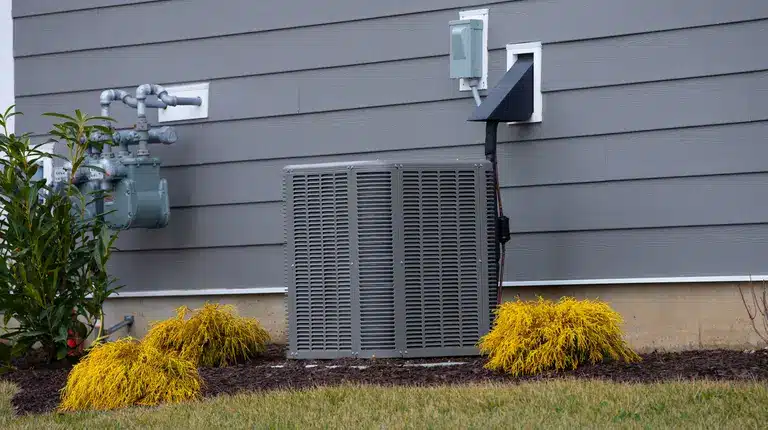
With fall’s cooler days approaching, now’s the perfect time to assess your air conditioner before it hibernates for the season. While the heat of summer may be behind us, your AC has likely worked hard, and that effort can show up in your utility bills. The upside? Advances in technology have transformed modern units into far more efficient performers compared to those from a decade or two ago.
Think about it: today’s systems boast oversized coils for better heat exchange, compressors that adjust speeds to avoid wasteful on-off cycles, and motors in blowers that sip electricity rather than guzzle it. They’re also whisper-quiet and built to last longer without breakdowns. Of course, these upgrades come with a steeper price tag than older models, but the payoff in reliability and lower bills can make the switch worthwhile, especially as you prepare for next year’s cooling demands.
So, how do you decide when to pull the plug on an aging setup? It’s a balance of age, performance, and ongoing costs. According to insights from Consumer Reports, central air conditioners generally hold steady for up to 15 years, while room units might tap out closer to 10 years. Furnaces vary too – electric models often reach 15 years, gas ones push to 18, and oil-fired versions can go up to 20. These timelines aren’t set in stone; they’re influenced by how you use and care for your equipment.
But, what really sways an appliance’s staying power? Brand reputation plays a part – some makers consistently deliver sturdier builds based on repair track records. Then there’s your daily habits: heavy usage in extreme climates can wear things down faster, while gentle operation in milder areas lets them coast longer. Maintenance is the real game-changer, though. Skipping those checkups is like ignoring oil changes in your car – it invites early troubles. For heating and cooling equipment, this means cleaning components, checking seals, and ensuring everything runs smoothly to fend off efficiency drops or breakdowns.
To put your AC in context, consider the broader HVAC family it works with. Pairing an older conditioner with a mismatched furnace or an outdated thermostat can create inefficiencies across the board. Thermostats, for instance, are marathon runners with potential spans up to 35 years, making them a smart upgrade point for better control and energy smarts. Even add-ons like dehumidifiers (around 8 years) or humidifiers (similarly 8 years) tie into your home’s comfort system, helping regulate moisture that affects AC performance. Understanding these interconnections helps you spot when one weak link might drag down the whole setup, turning a simple fix into a strategic refresh.
Beyond age, watch for red flags like uneven cooling, strange noises, or spiking repair bills. These signal that the system’s struggling, and patching it up might just delay the inevitable. On the flip side, if your AC is newer, a proactive service plan keeps it humming efficiently. Simple steps, like changing filters or scheduling annual checkups, go a long way, especially as you prep your system for the fall and winter months.
At Air-Tro, Inc., we’ve seen how timely interventions make all the difference for families in our community.
Whether you’re eyeing a full replacement or just a seasonal inspection to get ready for next year, reaching out now ensures you’re set for whatever the weather throws your way.
Frequently Asked Questions
How Long Do Central Air Conditioners Typically Last? Central air conditioners are built to endure around 10-15 years with proper care, though this can vary by model and usage. Factors like regular maintenance play a big role in extending that timeline.
What Are the Signs That My Air Conditioner Needs Replacing? Look out for inconsistent temperatures across rooms, unusual sounds during operation, or a noticeable jump in energy costs. Frequent repairs are another clue that it’s time to consider an upgrade.
How Can I Make My Current Air Conditioner Last Longer? Stick to a routine of professional servicing, clean or replace filters monthly during use, and keep the outdoor unit clear of debris. These habits help maximize efficiency and lifespan.
Are New Air Conditioners Really More Energy Efficient? Absolutely – features like variable-speed tech and improved insulation mean they use less power for the same cooling output, often translating to 20-40% savings on bills compared to outdated models.
What Should I Expect from a Professional AC Service? A thorough inspection covers refrigerant levels, electrical connections, and coil cleaning, plus advice on any potential issues. It’s a smart way to head off problems before they escalate.
What Factors Influence the Lifespan of HVAC Components Like Furnaces and Thermostats? Brand quality, usage intensity, and consistent upkeep are key. For example, gas furnaces might reach 18 years with diligent care, while thermostats can go as long as 35 years, enhancing overall system control.
How Do Related Appliances Affect My AC’s Performance? Items like dehumidifiers interact with your cooling system by managing humidity and heat distribution. If they’re aging – say, a dehumidifier at its 8-year mark – it could strain your AC, prompting a holistic review.
Ready to Retire Your Old Air Conditioner?
Don’t let an outdated system leave you unprepared for next summer’s heat or drain your wallet with needless energy use. Upgrading to a modern, efficient model from Air-Tro, Inc. means cooler comfort, fewer breakdowns, and real savings over time.
Give our team a ring today at (626) 357-3535 to schedule a fall consultation – we’ll help you stay ahead of the seasons and make the transition smooth.